Tuesday, 3 February 2026

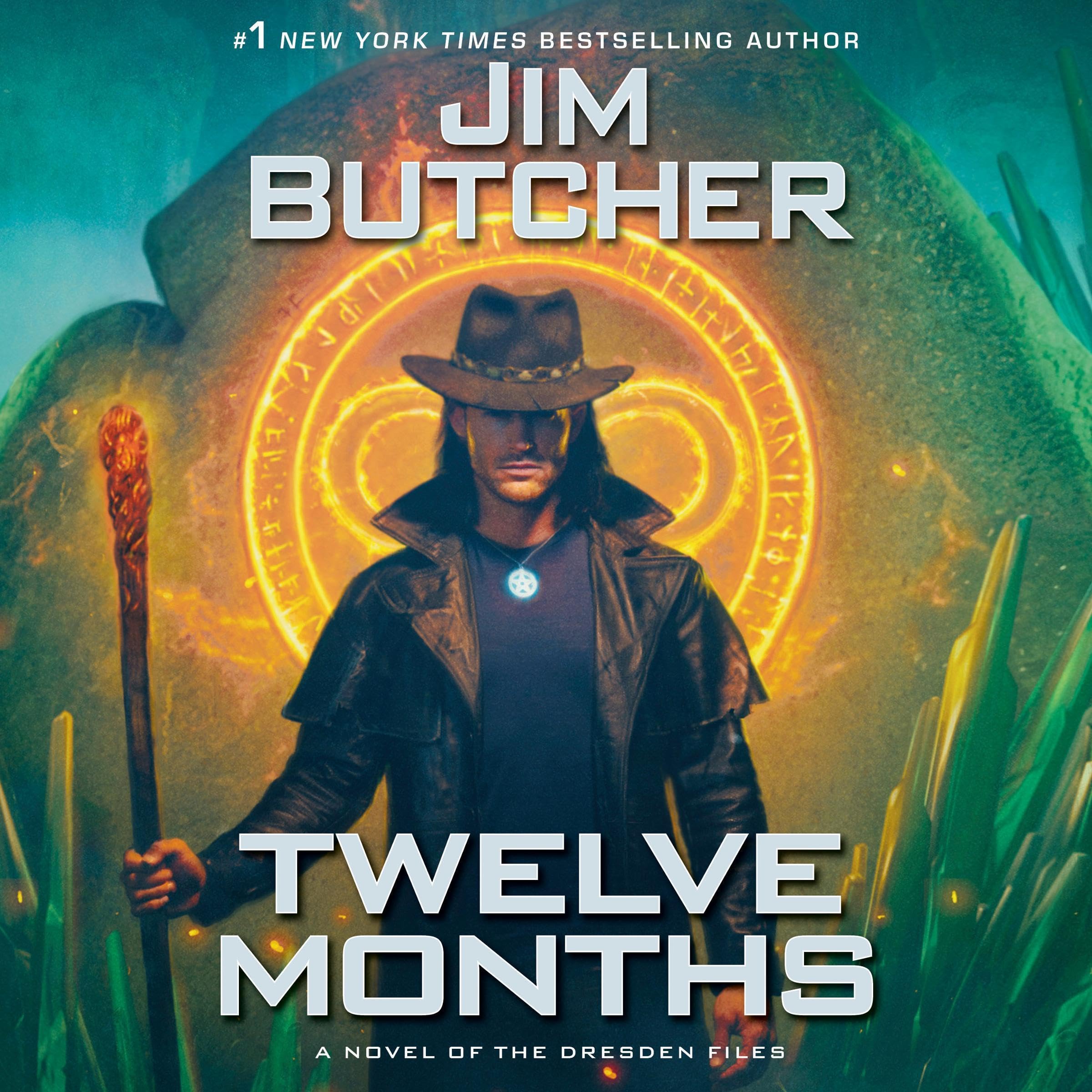
Review: Twelve Months


Twelve Months on Audible feels like a necessary pause and a gift. Jim Butcher steps back from apocalyptic momentum to let Harry Dresden breathe—and grieve—and that choice lands especially well in audio. James Marsters continues to be the gold standard for the series. His performance has matured alongside Dresden, and here he brings a quieter, more fragile register without ever losing the bite or humor that defines the character.

In the wake of Murphy’s death, you can hear the weight Dresden carries in every line. Marsters doesn’t oversell the pain; he lets silences, hesitations, and softened sarcasm do the work. As the months pass, that grief slowly reshapes into resolve, and the narration tracks that recovery with impressive emotional precision. It feels earned, not rushed.

Structurally, Twelve Months widens the lens. Rather than one central crisis, we get a mosaic of relationships, obligations, and consequences. It’s a deep breath before the plunge, a chance to take stock of where everyone stands before the endgame accelerates. That broader scope could feel unwieldy, but Butcher handles the ensemble cast with confidence. Familiar voices and new faces each get distinct moments, and Marsters differentiates them cleanly, making even crowded scenes easy to follow.

The result is an audiobook that’s reflective without being slow, intimate without being small. Twelve Months reminds you why this series matters.

Buy your copy here

Review: Slow Horses

Slow Horses by Mick Herron is a sharply observed, darkly funny espionage novel that refreshingly strips away the glamour often associated with the spy genre. Set in the unglamorous backwater of Slough House, the story follows a group of disgraced intelligence officers who feel painfully real rather than heroic. Herron’s greatest strength lies in his realism: the bureaucracy, pettiness, and professional paranoia of modern intelligence work are rendered with convincing detail, making the stakes feel grounded even when the plot turns dramatic.

The novel’s gritty style suits this world perfectly. Herron’s prose is lean, cynical, and often bitingly witty, capturing both the moral ambiguity and the everyday drudgery of the job. The characters, from the bitter, slovenly Jackson Lamb to his damaged but capable subordinates, are thoroughly believable. Their flaws aren’t cosmetic; they drive the narrative and shape the choices they make, lending the story emotional weight as well as tension.

Particularly impressive is the narration, which balances suspense with dry humor and keeps the pacing tight without sacrificing depth. Herron knows when to linger on character and when to push the plot forward. Overall, Slow Horses is an intelligent, engaging novel that rewards readers looking for espionage fiction rooted in realism rather than fantasy.

buy your copy here

Review: Trainspotting


Irvine Welsh’s Trainspotting is a ferocious, darkly comic portrait of addiction, masculinity, and survival on the margins of late-twentieth-century Edinburgh. The novel refuses sentimentality: heroin use is neither romanticized nor moralized, but presented as a grinding cycle of pleasure, squalor, violence, and self-deception. Welsh structures the book as a series of loosely connected episodes rather than a conventional plot, which mirrors the chaotic, stalled lives of its characters and keeps the reader slightly off balance throughout.

One of the novel’s greatest strengths is its use of a Scots narrator. The phonetic Scots dialect is not a gimmick; it is central to the book’s power. It gives the narrative an abrasive intimacy, forcing readers to hear the characters’ voices rather than observe them from a safe distance. The rhythm, humor, and brutality of the language sharpen both the comedy and the horror, making moments of banter genuinely funny and moments of degradation deeply unsettling. While the dialect can be challenging at first, it quickly becomes immersive, and its authenticity lends the novel moral authority.

Trainspotting is uncomfortable, often repellent, but also fiercely alive. Its linguistic daring and unflinching honesty make it a landmark of contemporary British fiction.

Buy your copy here