Showing posts with label Mystery. Show all posts

Wednesday, 22 April 2026

Review: The Sixth Precept

The Sixth Precept Cover Art

The Sixth Precept by J. M. Dalgliesh is another compelling entry in a series that continues to grow in confidence and complexity. Set against the evocative backdrop of Yorkshire, the novel blends atmospheric storytelling with a carefully constructed investigation, drawing readers into a case that feels both immediate and deeply rooted in the past.

At its core, the book delivers a mystery that unfolds with deliberate precision. What initially appears to be a straightforward case quickly develops into something far more intricate, with multiple threads weaving together to form a narrative that rewards attention. Dalgliesh has a clear talent for layering his plots, allowing clues to emerge gradually while maintaining a steady sense of tension. The depth of the mystery is one of the novel’s greatest strengths. Each revelation feels earned, and the connections between events are handled with care, avoiding the sense of contrivance that can sometimes undermine crime fiction.

A key aspect of the novel’s appeal is its interconnectedness with earlier entries in the series. While The Sixth Precept can be enjoyed as a standalone story, returning readers will find additional layers of meaning in the ongoing development of characters and relationships. Subtle references to past cases and evolving personal dynamics add richness to the narrative, creating a sense of continuity that enhances the overall experience. This broader context never overwhelms the central plot but instead deepens it, making the world feel cohesive and lived in.

The character work is consistently strong, particularly in the portrayal of the investigative team. Their interactions feel natural, shaped by shared history as well as the pressures of the current case. There is a welcome sense of realism in how they respond to setbacks and discoveries, with moments of doubt and frustration balanced by determination and professionalism. This grounding in believable human behaviour helps anchor the more complex elements of the story.

The audiobook version is elevated significantly by the narration of Greg Patmore. Patmore brings a measured and controlled delivery that suits the tone of the novel perfectly. His portrayal of Detective Inspector Caslin is particularly effective. The performance is almost laconic, capturing the character’s analytical mindset and understated authority without resorting to exaggeration. This restraint allows the tension of the investigation to build naturally, giving weight to both dialogue and internal reflection.

Patmore’s pacing is another notable strength. He allows scenes to breathe where necessary, particularly during moments of deduction or quiet conversation, while maintaining momentum during more dramatic developments. His character voices are distinct without being overly theatrical, which helps preserve the grounded feel of the story. The result is a narration that enhances immersion, drawing the listener deeper into the unfolding mystery.

Overall, The Sixth Precept stands as a strong and satisfying addition to Dalgliesh’s body of work. Its layered plotting, well realised characters, and thoughtful integration with the wider series make it a rewarding read. Combined with Greg Patmore’s nuanced narration, the audiobook becomes an engaging and immersive experience that will appeal to both new listeners and long time followers of the series.

But your copy here

Monday, 13 April 2026

Review: London Rules

London Rules Cover Art (TV Tie-in)

London Rules by Mick Herron is another sharp, darkly funny, and impressively constructed entry in the Slough House series. By this point, Herron has fully mastered the delicate balance between satire and suspense, delivering a novel that is as insightful about institutional power as it is entertaining as a spy thriller.

The premise centres on a series of apparently random terrorist attacks that leave both the public and the intelligence services scrambling for answers. As panic spreads and political pressure mounts, the guiding principle becomes the eponymous “London Rules,” an informal understanding that, when something goes wrong, responsibility must be quickly and decisively shifted elsewhere. This concept sits at the heart of the novel, shaping both the investigation and the behaviour of those in positions of authority.

As with earlier books in the series, the plot is intricate and, at times, seemingly improbable. The connections between events are not immediately obvious, and the narrative weaves together multiple strands that only gradually converge. On the surface, some of the developments stretch credibility. Yet Herron grounds the story in such a convincing depiction of human behaviour and institutional self preservation that it all feels plausible. The decisions made by characters, particularly those in senior positions, are driven by fear, ambition, and the need to protect their own reputations, which makes the unfolding drama feel authentic.

The realism of the characters is once again one of Herron’s greatest strengths. The inhabitants of Slough House remain a collection of flawed, often side-lined individuals who react to stress in recognisably human ways. They argue, misjudge situations, and occasionally let personal grievances influence their actions. At the same time, moments of courage and competence emerge, often when least expected. This balance between weakness and resilience gives the novel its emotional weight.

The machinations of power within the intelligence services are portrayed with a cynical but believable eye. Senior figures are less concerned with uncovering the truth than with managing the narrative and avoiding blame. Decisions are made behind closed doors, alliances shift rapidly, and those lower down the hierarchy are frequently left to deal with the consequences. This depiction of bureaucratic manoeuvring adds a layer of tension that runs alongside the more immediate threat of the attacks themselves.

At the centre of it all is Jackson Lamb, the dishevelled and abrasive head of Slough House. Lamb remains one of the most compelling figures in contemporary spy fiction, combining apparent indifference with a sharp and calculating mind. His interactions with both his team and his superiors are laced with biting humour, but there is also a sense of underlying loyalty that becomes more apparent as the story unfolds.

The audiobook is elevated significantly by the narration of Sean Barrett. Barrett’s performance captures the tone of the series perfectly, blending dry wit with understated tension. His portrayal of Lamb is particularly effective, conveying the character’s lethargic manner and hidden intelligence with subtle precision.

Barrett also excels at differentiating the wider cast, ensuring that each character feels distinct without resorting to exaggeration. This is especially important in a novel with multiple perspectives and intersecting plotlines. His pacing allows the complexity of the story to unfold clearly, guiding the listener through the various threads without confusion.

In moments of heightened tension, Barrett’s delivery becomes slightly sharper, reflecting the urgency of the situation while maintaining the overall restraint that defines the narration. This approach enhances the impact of key scenes and ensures that the humour and drama remain in balance.

Overall, London Rules is a thoroughly engaging and well crafted novel that showcases Mick Herron’s strengths as both a storyteller and a satirist. Its blend of complex plotting, realistic characterisation, and sharp commentary on power makes it a standout entry in the series. With Sean Barrett’s excellent narration bringing the story vividly to life, the audiobook offers an immersive and rewarding experience for fans of intelligent, character driven espionage fiction.

Buy your copy here

Thursday, 26 March 2026

Review: Spook Street

Spook Street Cover Art (TV Tie In)

Spook Street by Mick Herron continues the Slough House series with a story that is at once tense, darkly humorous, and unexpectedly poignant. By this fourth instalment, Herron has fully settled into the rhythms of his world, and the result is a novel that balances intricate espionage plotting with a deepening emotional investment in its flawed and often overlooked characters.

The plot is set in motion by a shocking terrorist attack that sends ripples through the intelligence community. At the same time, a more personal thread emerges when a key figure connected to the past of Jackson Lamb is targeted. As these strands begin to intertwine, Herron constructs a narrative that feels both expansive and tightly controlled. The story moves between perspectives with confidence, gradually revealing connections that are not immediately obvious.

As with the earlier books in the series, the plot walks a careful line between the plausible and the improbable. There are moments when the scope of the conspiracy stretches credibility, yet it remains grounded in the motivations of those involved. Institutional self preservation, political ambition, and personal grudges all play a role in shaping events. Herron’s great skill lies in making the reader accept the larger narrative because the smaller details feel so true. The bureaucratic manoeuvring and quiet power struggles within the intelligence services lend the story a sense of authenticity that anchors even its more dramatic developments.Characterisation remains the true strength of the novel. The agents of Slough House are still defined by their failures and missteps, yet they are never reduced to caricature. Their reactions to stress are recognisably human. Faced with danger, they do not suddenly become flawless operatives. They worry, argue, hesitate, and occasionally act out of fear or frustration. Moments of bravery feel earned rather than inevitable. This attention to emotional realism gives the story weight and makes its stakes feel personal.

The machinations of power are again a central theme. Herron paints a picture of an intelligence service in which reputation and career advancement often take precedence over truth. Decisions are shaped as much by the need to avoid blame as by the desire to achieve results. Senior figures manipulate events from a distance, leaving others to deal with the consequences. This cynical but believable depiction of institutional politics adds another layer of tension to the narrative.

One of the more interesting developments in Spook Street is the way Jackson Lamb himself is portrayed. Beneath his usual veneer of indifference and abrasive humour, there are hints that he is feeling the absence of Catherine Standish. Without her steadying presence, Lamb appears slightly off balance, even if he would never admit it. His attempts to lure her back into his orbit are handled with characteristic subtlety. Rather than any overt expression of need, it is conveyed through small gestures and manipulations that reveal how much he relies on her organisational skill and quiet loyalty. This adds an extra dimension to his character and reinforces the idea that even the most outwardly self sufficient individuals depend on others.

The audiobook is once again elevated by the narration of Sean Barrett. Barrett’s performance has become integral to the identity of the series, and here he delivers another masterclass in controlled, character driven narration. His portrayal of Lamb remains a highlight, capturing the character’s lethargic delivery, sharp intelligence, and underlying menace with remarkable precision.

Barrett also excels at differentiating the wider cast. Each character feels distinct without the need for exaggerated voices, and his pacing ensures that the narrative remains clear even as it shifts between multiple viewpoints. In moments of tension, he allows the pressure to build gradually, trusting the material rather than forcing the drama. This restraint enhances the impact of key scenes and keeps the tone consistent with Herron’s understated style.

Overall, Spook Street stands as one of the strongest entries in the Slough House series. It combines a cleverly structured plot with deeply human character work and a sharp critique of institutional power. The story may occasionally stretch plausibility, but it remains grounded in emotional truth. With Sean Barrett’s superb narration bringing every nuance to life, the audiobook offers an experience that is both gripping and richly rewarding.

Buy your copy here

Sunday, 15 March 2026

Review: Real Tigers

Real Tigers Cover Art (TV Tie-in)

Real Tigers by Mick Herron is the third entry in the superb Slough House series, and by this point the rhythm and tone of Herron’s world feel perfectly assured. The novel builds on the foundations laid in Slow Horses and Dead Lions, delivering another sharp, tense, and often darkly funny espionage story centred on the disgraced intelligence officers exiled to Slough House. As with the earlier books, Herron blends intricate plotting with an acute understanding of flawed human behaviour.

The central premise of the Slough House series remains wonderfully subversive. Instead of focusing on elite agents operating at the glamorous edge of intelligence work, Herron’s attention falls on those who have made mistakes. These are the bureaucratic misfits and professional embarrassments of the intelligence world, assigned to menial tasks in the hope that they will quietly resign. Yet again and again these damaged operatives find themselves caught up in situations far beyond the expectations of their superiors.

In Real Tigers, that situation is both personal and immediate. One of the Slough House agents is abducted, drawing the rest of the team into a desperate attempt to uncover what is happening and why. What follows is a story filled with deception, hidden agendas, and political manoeuvring. The plot, on paper, might seem almost implausible. It involves shifting allegiances, covert agendas within the intelligence services, and a conspiracy that grows steadily more complicated as the truth emerges. Yet Herron has a remarkable talent for making such narratives feel convincing. The motivations behind the intrigue are rooted in ambition, fear, and institutional self preservation, which makes the unfolding events feel believable even when the scale of the conspiracy grows.

One of Herron’s greatest strengths is his portrayal of character. The inhabitants of Slough House are not action heroes. They are tired, resentful, occasionally petty people who have been sidelined by the system they once served. Their reactions to stress feel entirely human. When faced with danger or pressure they argue, hesitate, and sometimes make poor decisions. They experience frustration, anger, and flashes of courage that often surprise even themselves. This realism gives the novel a texture that many thrillers lack. The tension arises not only from the external threat but from the complicated personalities involved.

The machinations of power within the intelligence services form another compelling aspect of the story. Herron portrays the hierarchy of British intelligence as a place where reputation often matters more than truth and where protecting one’s position can take precedence over doing the right thing. Senior officials manipulate events behind the scenes while trying to ensure that responsibility falls on someone else if things go wrong. This cynical yet believable depiction of institutional politics adds depth to the narrative and reinforces the sense that the Slough House agents are operating within a deeply flawed system.

At the centre of the series, as always, is Jackson Lamb, the slovenly yet brilliantly perceptive head of Slough House. Lamb’s abrasive personality and razor sharp instincts make him one of the most distinctive figures in modern spy fiction. His interactions with both allies and enemies are often laced with biting humour, but beneath the insults and cynicism lies a genuine loyalty to the people under his command.

The audiobook experience is greatly enhanced by the narration of Sean Barrett. Barrett has become closely associated with the Slough House series, and his performance here captures its tone perfectly. His portrayal of Jackson Lamb is particularly memorable, conveying the character’s mixture of laziness, cunning, and ruthless intelligence with effortless authority.

Barrett’s narration excels in its restraint. Rather than exaggerating the drama, he allows the tension of the story to build naturally through pacing and subtle shifts in tone. Each member of the Slough House team receives a distinct voice, helping listeners keep track of the large cast while also highlighting the individuality of each character. During moments of crisis, Barrett’s delivery communicates the strain and urgency without losing the dry humour that runs throughout Herron’s writing.

Overall, Real Tigers stands as another excellent instalment in the Slough House series. It combines a cleverly constructed plot with richly drawn characters and a sharp understanding of the messy realities of power and bureaucracy. The story may occasionally stretch plausibility, but it remains grounded by the authenticity of its people and their reactions. With Sean Barrett’s superb narration bringing every scene to life, the audiobook becomes an absorbing and thoroughly rewarding experience.

Buy your copy here

Saturday, 7 February 2026

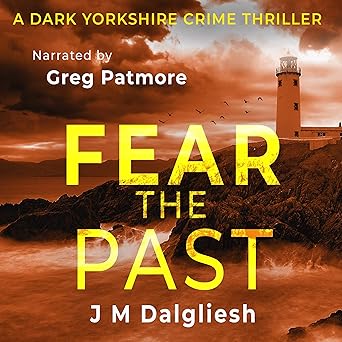
Review: Fear the Past


 Fear the Past by J.M. Dalgliesh is a gripping addition to the Dark Yorkshire series, delivering a layered and emotionally resonant crime story that lingers well beyond its final chapter. Dalgliesh continues to demonstrate his strength in crafting intricate mysteries rooted in atmosphere and character, and this instalment is no exception.


At the heart of the novel Detective Inspector Caslin who commands particular attention here. The mystery itself is deftly constructed, unfolding through a web of past secrets, present dangers, and carefully placed revelations. Dalgliesh excels at showing how history refuses to stay buried, and the case develops with a steady, compelling momentum. The interconnectedness with earlier books in the series adds meaningful depth; long-running character arcs and subtle callbacks reward returning readers without alienating newcomers. The broader narrative tapestry feels deliberate and cohesive, reinforcing the sense that every event reverberates beyond a single investigation.

The audiobook narration by Greg Patmore elevates the experience even further. Patmore’s portrayal of DI Caslin is particularly striking. His delivery is measured, controlled, and almost laconic, perfectly capturing Caslin’s analytical mind and understated authority. Rather than overdramatizing key moments, Patmore allows tension to simmer, which makes the emotional beats land with greater authenticity. His character distinctions are clear without being theatrical, and his pacing mirrors the procedural intensity of the investigation. The result is an immersive listening experience that feels both intimate and cinematic.

Overall, Fear the Past is a strong and satisfying entry in the series; thoughtful in its plotting, rich in character development, and enhanced significantly by Patmore’s nuanced narration. It stands as a testament to Dalgliesh’s skill in blending procedural precision with emotional depth.

Buy your copy here